Fire and explosion safety
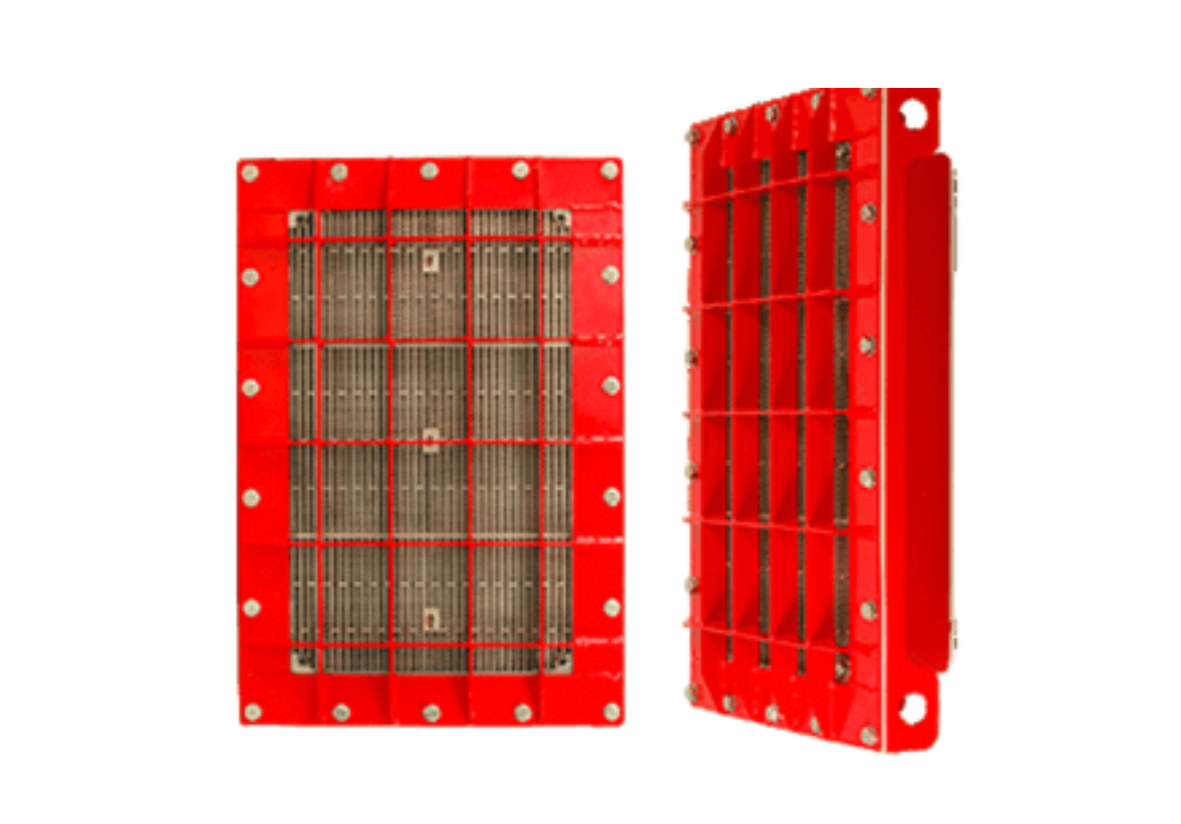
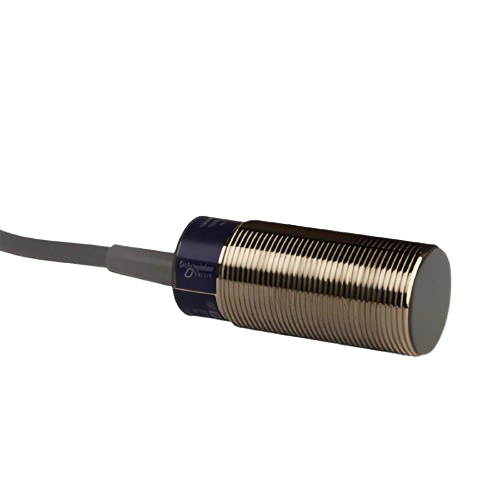
→ Reduces fire and dust explosion risks at critical process points.
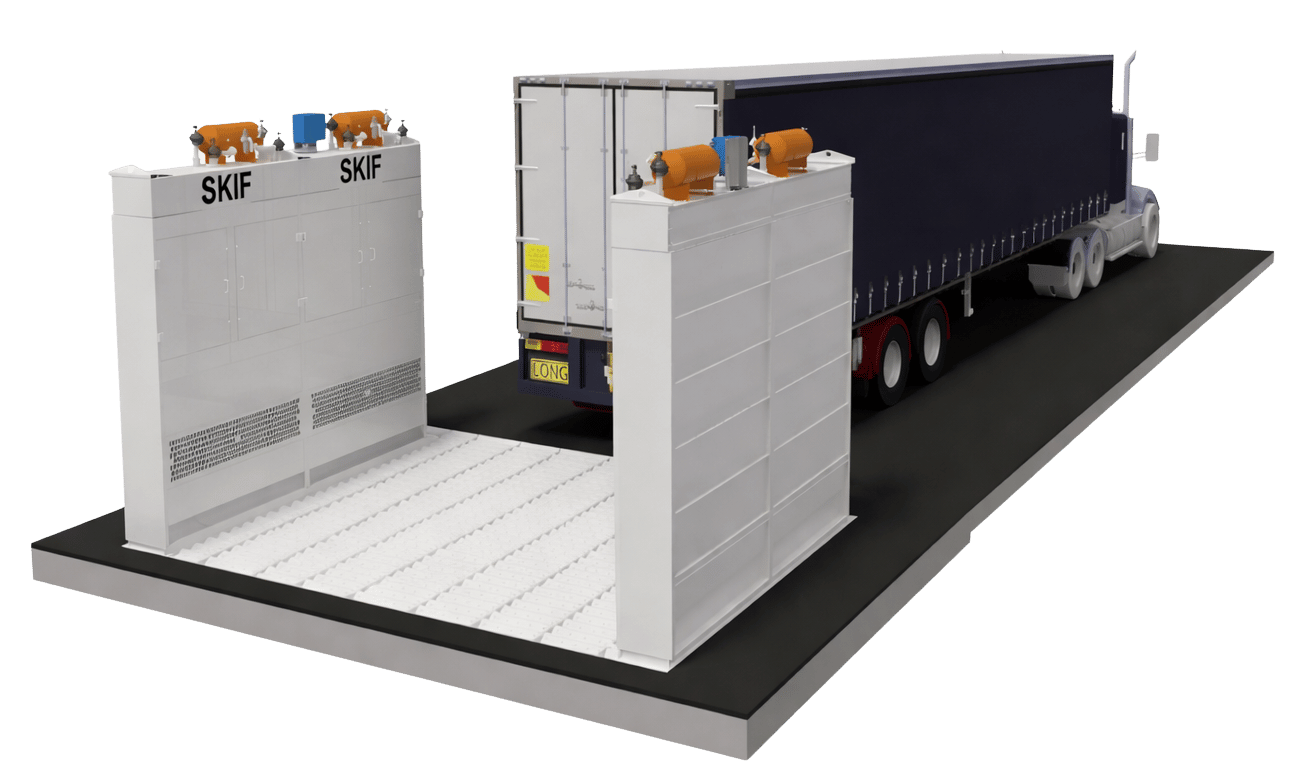
Engineering systems for dust control, product recovery and safe continuous processes.
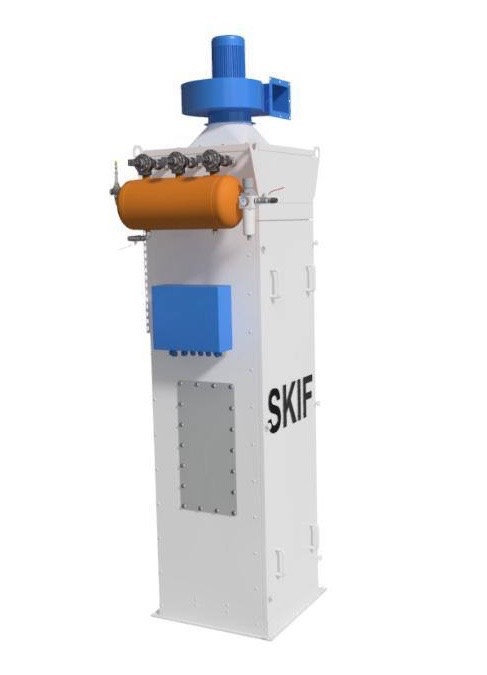
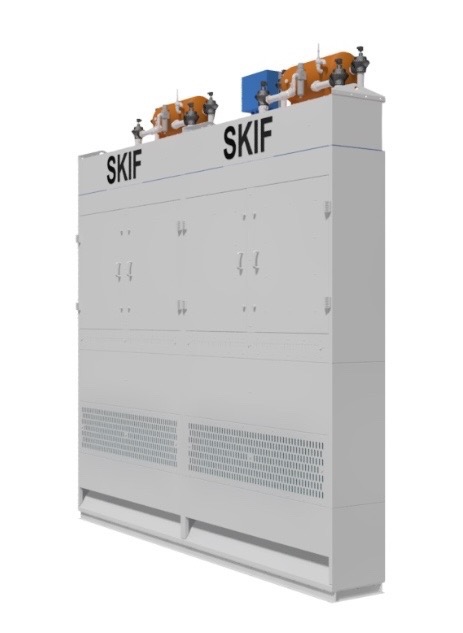
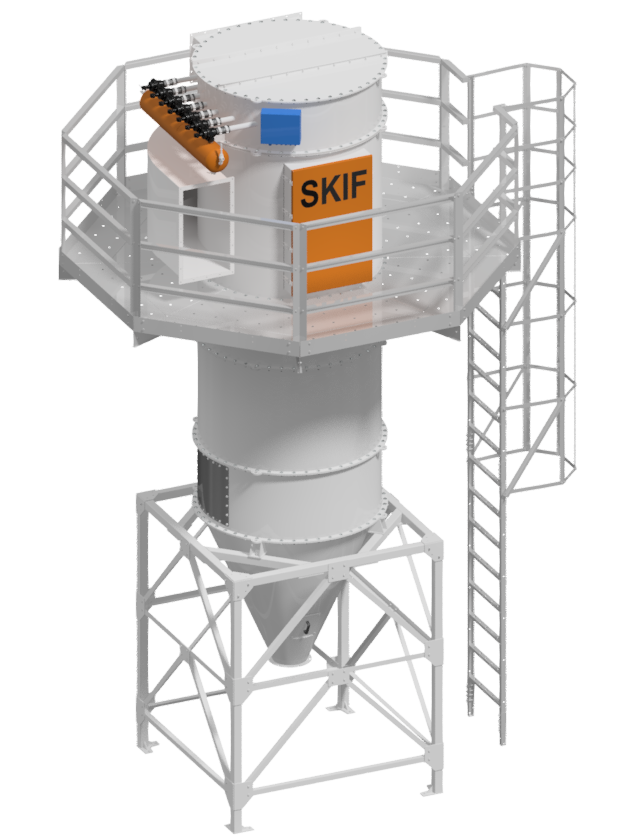
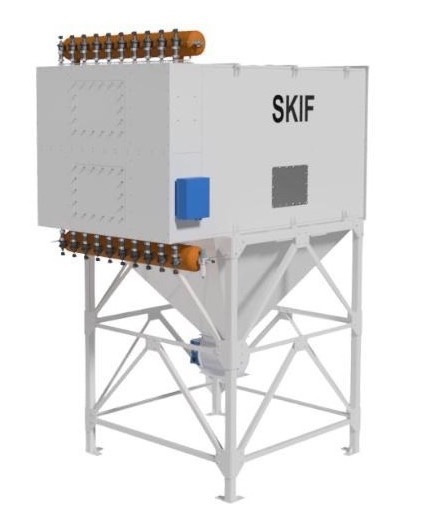
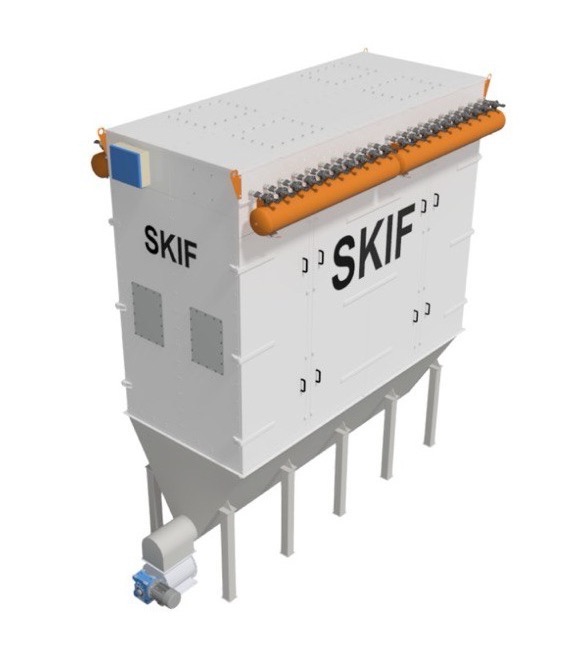
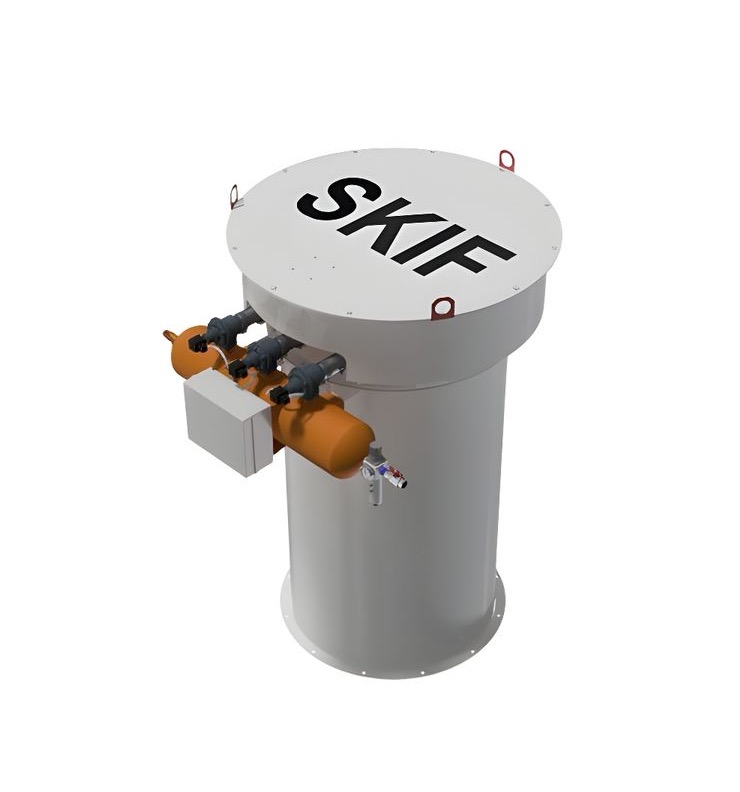
Aspiration systems are designed for the controlled removal and filtration of dust-laden air generated during material processing, transfer and handling. They are an integral part of modern bulk material handling technologies, ensuring stable operation, safe working conditions and controlled product flow throughout the process.
Efficient aspiration directly affects process reliability and energy consumption. Incorrectly designed systems result in excessive airflow rates, increased power demand and insufficient dust capture at critical process points. In grain processing and storage facilities, aspiration is not an auxiliary function but a core technological element supporting continuous operation, protecting equipment and preserving final product quality.
Aspiration is typically applied at key process locations such as truck unloading and intake pits, railcar discharge points, and transfer and loading zones, where dust generation is most intensive and requires effective control.

Truck unloading and intake pits

Railcar discharge points

Transfer and loading zones
Truck unloading and intake pits
Railcar discharge points
Transfer and loading zones
Industrial aspiration is a mandatory element of safe and efficient bulk material handling processes. It directly influences working conditions, equipment reliability and overall process stability.
The presence of fine dust particles in production areas creates multiple risks. Airborne dust negatively affects personnel health, accelerates wear of mechanical and electrical equipment, degrades product quality and increases maintenance requirements.
In facilities handling combustible dust, insufficient dust control may lead to hazardous situations, including fire and dust explosion risks. Properly designed aspiration systems significantly reduce these risks by controlling dust concentration at critical points of the process.
Aspiration systems are designed and supplied in accordance with applicable European Union directives and harmonised standards governing machinery safety, explosion protection and industrial emissions.
Regulatory compliance is an integral part of system design and directly influences equipment selection, system layout and operational safety. The specific scope of compliance depends on system configuration and final integration at the customer’s site.
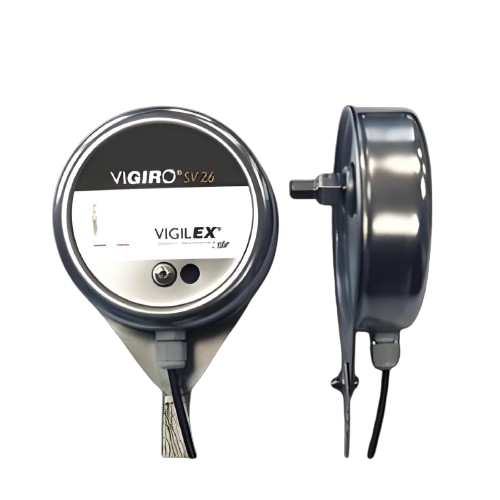
Explosion protection concepts, both active and passive, can be integrated depending on process conditions and ATEX zone classification.
Local and centralized dust collection solutions for continuous processes, product recovery and compliance.
SKIF develops industrial aspiration and filtration systems based on process logic, regulatory requirements and long-term operational reliability.
We do not offer standardised solutions. Each aspiration system is engineered according to material properties, dust characteristics, process configuration and safety requirements.
Our solutions are designed for continuous industrial operation with a focus on:
effective dust capture at the point of generation
product recovery and mass preservation
energy-efficient airflow management
compliance with EU safety and environmental directives
stable performance under real industrial conditions
Aspiration systems by SKIF are implemented in grain processing, storage and handling facilities, as well as in industries where dust control, explosion safety and emission limits are critical.
SKIF — engineered aspiration solutions aligned with European standards and industrial reality.